

Fulani Braids Gallery
$$MultiPurposeText$$
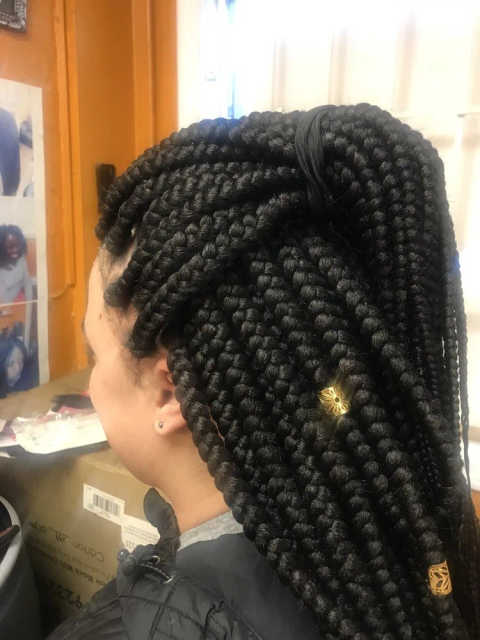
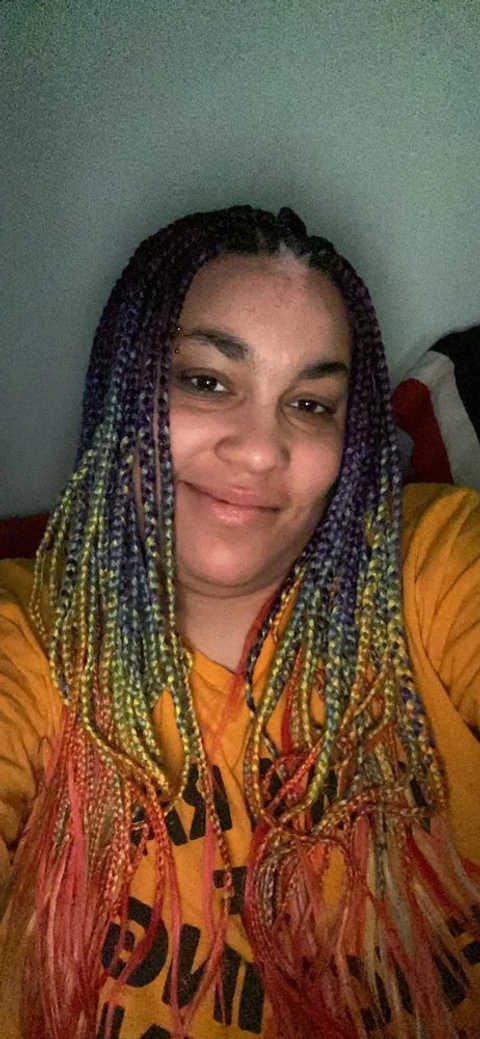
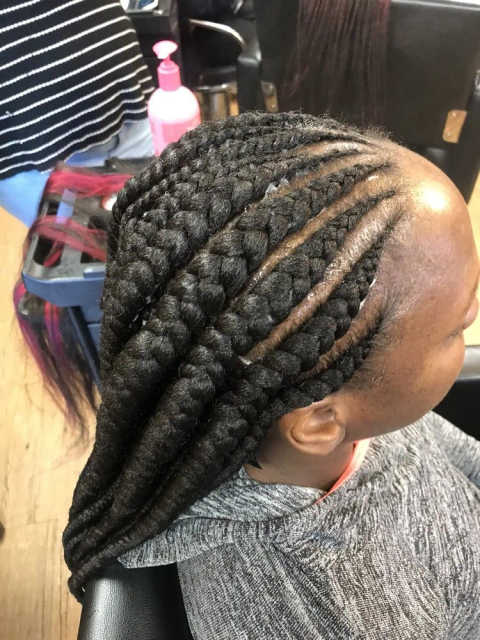
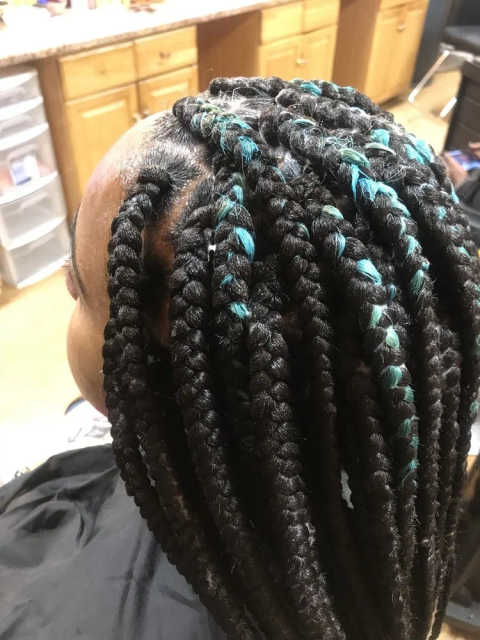
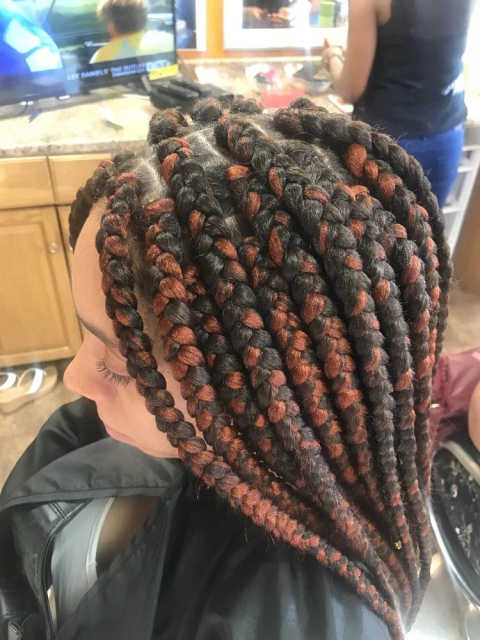
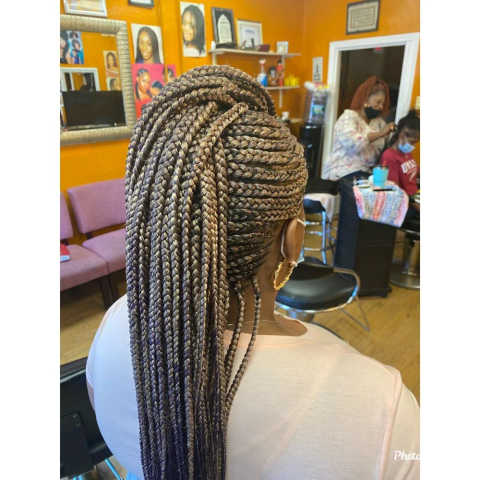
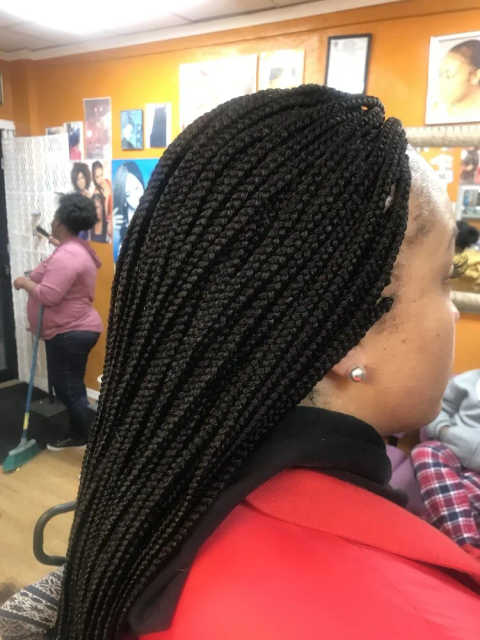
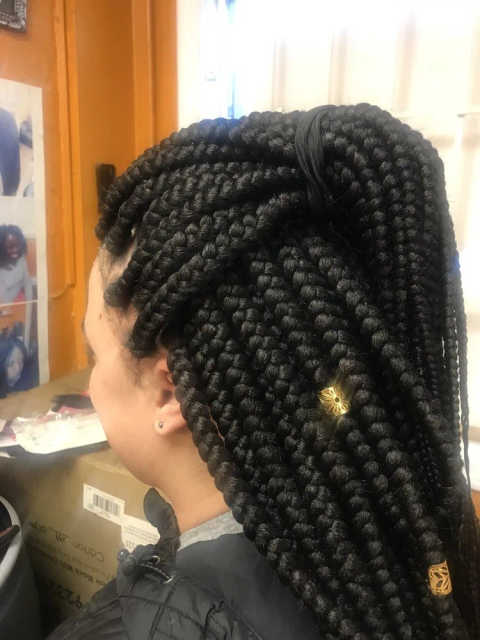
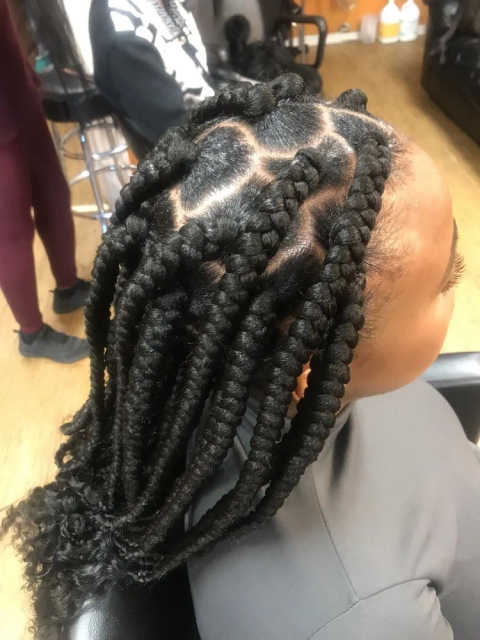
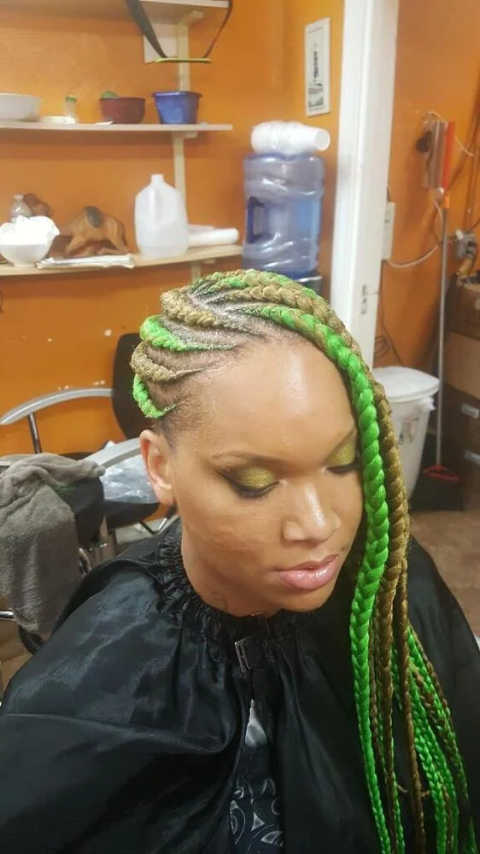
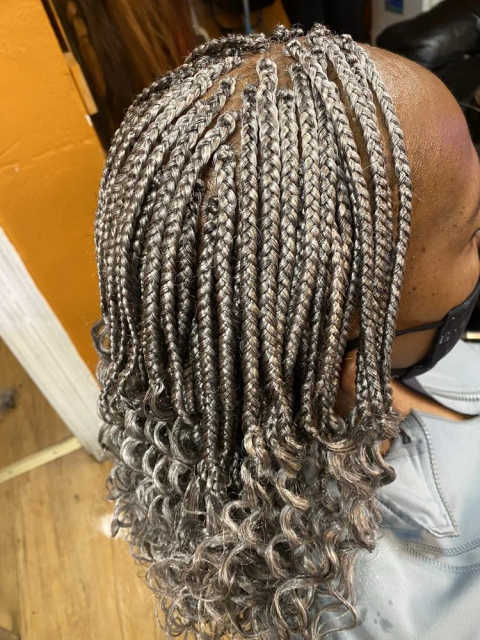
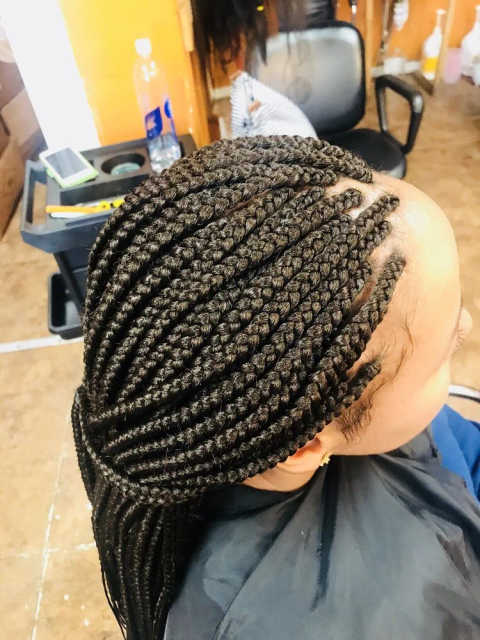
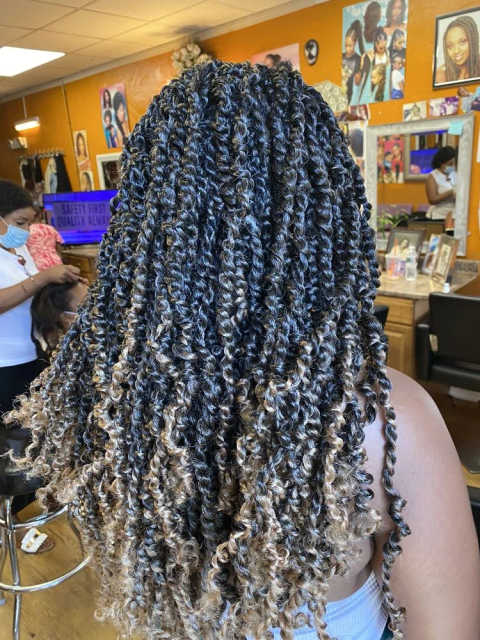
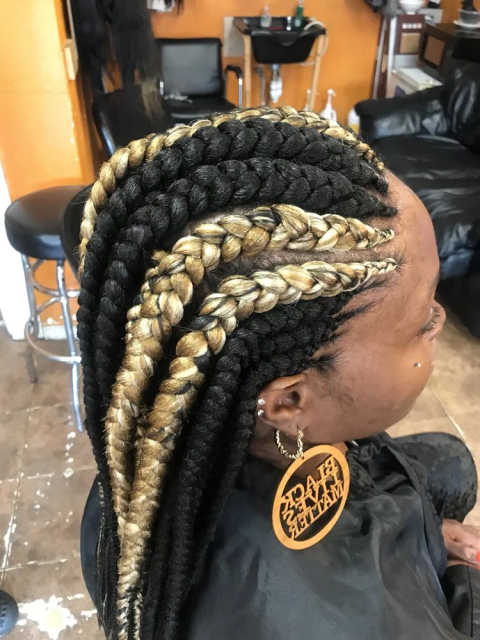
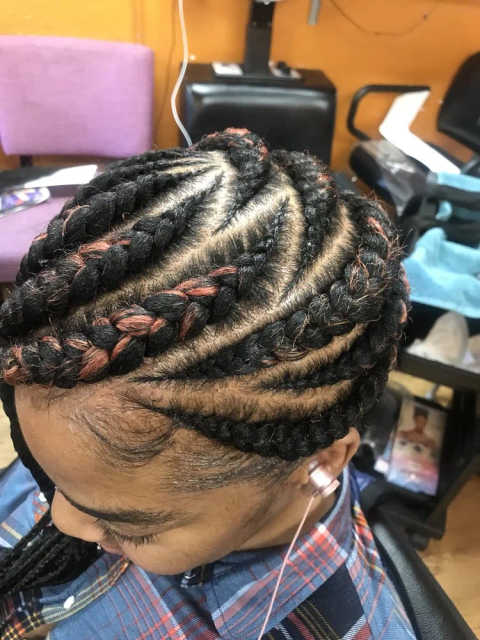
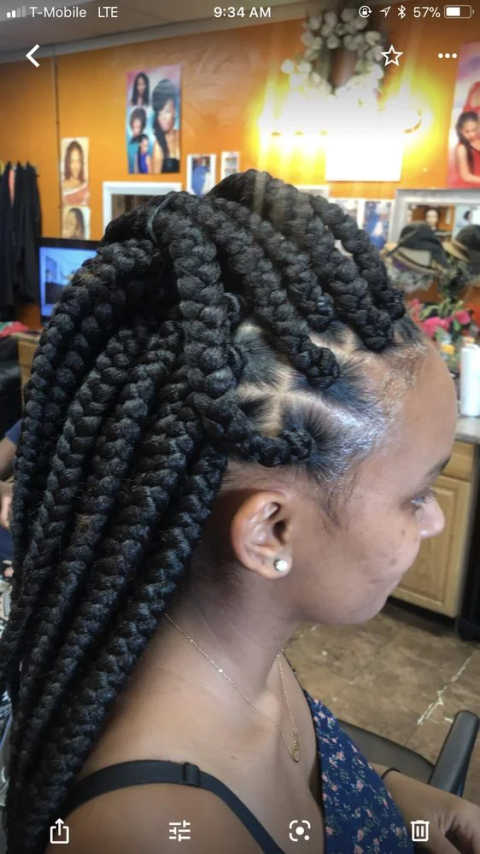
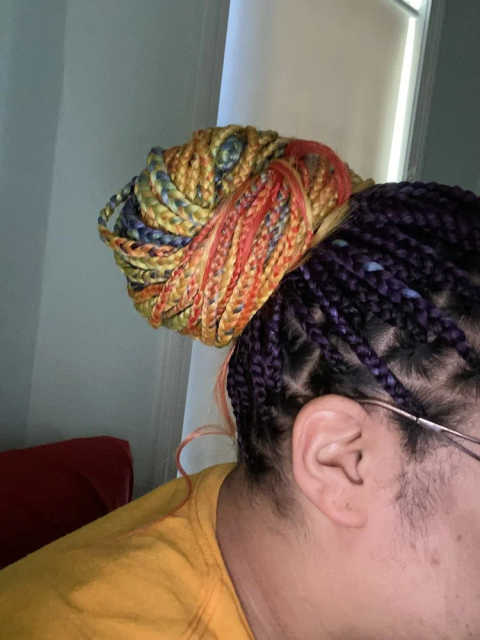
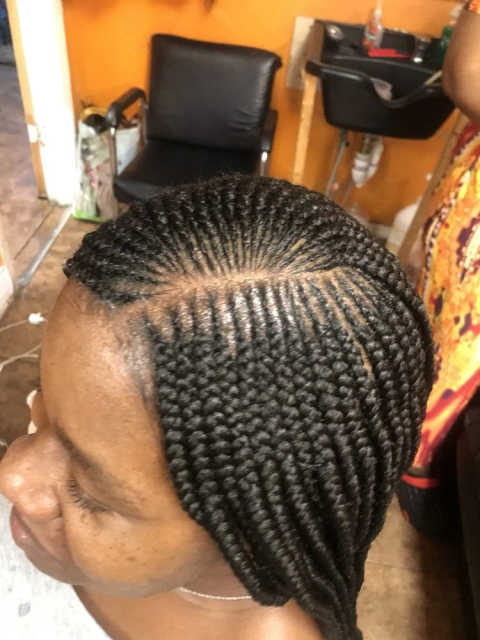
See examples of our Fulani Braids work and results.
What Our Clients Say
$$MultiPurposeText$$
Read testimonials from our satisfied customers

I had wonderful experience this morning. I arrived 2 minutes prior to my appointment time ...more

Very professional. I asked for medium knotless waist length box braids. They did an amazin...more

Love the braids very clean

Time wise it's good and the braids are very good and nice

Beautiful braids for my 10 year old daughter… very gentle she fell asleep while getting it...more

I recently did a big chop, I have less then 3inches of hair and rose was able to braid my ...more

Frequently Asked Questions
Get answers to common questions about Fulani Braids.
Fulani Braids generally last 4–8 weeks depending on hair type, braided tightness, and aftercare. Regular scalp moisturizing and wearing a satin scarf at night extend longevity. Heavy accessories or poor maintenance may cause frizz or slippage sooner.
When installed with proper tension and by an experienced stylist, Fulani Braids are low-risk. Avoid overly tight braiding, regularly oil the scalp, and book touch-ups if you feel pulling. We prioritize gentle techniques to protect edges and scalp health.
Installation usually takes between two and six hours based on braid size, length, added extensions, and bead work. We give a time estimate during booking and can recommend faster styles or split appointments for more complex designs.
Yes — colored synthetic hair, human extensions, and highlights can be incorporated. We select extension types to match texture and minimize weight. Discuss color choice during consultation so we can pre-order or prepare materials for a seamless installation.
Keep scalp clean with diluted shampoo or scalp cleanser, moisturize with light oils, avoid heavy products that cause buildup, sleep with a satin bonnet, and avoid excessive pulling. Attend touch-up appointments to maintain neatness and prevent damage.
Yes — Fulani Braids are versatile and can be adapted for most textures and lengths. Shorter hair may require extensions for length, while very fine hair needs gentler tension. We assess your hair and recommend the best technique and materials.