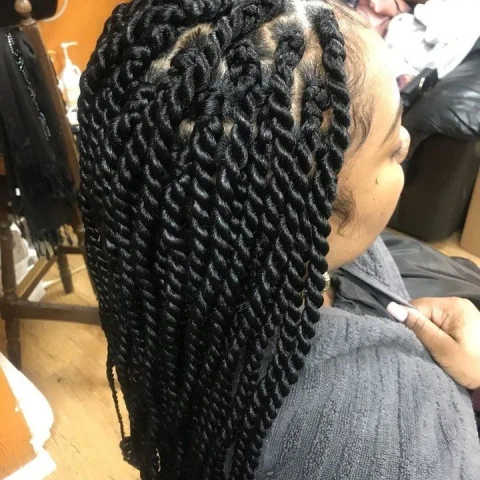
All Types of Flat Twist Styles in Mattapan: Care & Pricing
By Rose African Hair Braiding | September 24, 2026
Visit us in Mattapan (Blue Hill Avenue corridor) | +16172980808 | roseafricanhairbraiding@gmail.com
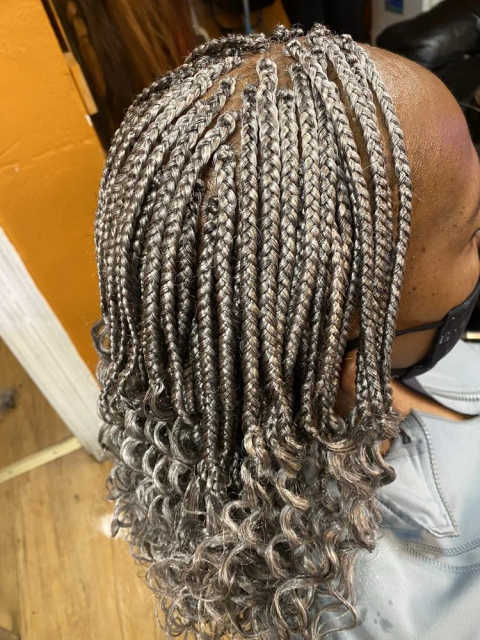
A returning client told me she came in for a style that would last for school, and her bra strap length micro braids were $200 with the hair provided. That’s exactly why twists stay popular in Mattapan. Twists are protective hairstyles, including two-strand, Senegalese, Havana, Marley, and mini variations, that cut down daily styling and protect textured hair. The right choice depends on the look you want, your hair density, and how much maintenance you’re willing to do. In this guide, I’ll break down the twist types I do, what affects install time and price, and how to keep your scalp and twists happy through Boston’s dry winters and humid summers.
Why people in Mattapan book twists when life gets busy
Most people finding me online aren’t looking for “just a style.” You want something that looks neat, holds up through long days, and stops the constant combing, brushing, pulling, and heat. Twists are a go-to because they reduce daily manipulation, which usually means less breakage and less stress around your edges.
They’re also practical for families. A good install saves time on school mornings, sports days, and everything in between. And if you’re commuting along the Blue Hill Avenue corridor, or coming in on the Mattapan trolley line from Dorchester, Roxbury, Jamaica Plain, Roslindale, Hyde Park, or Milton, twists are the kind of style you can set and then get back to your week.
10 twist styles I do here, and who each one fits best
If you’re deciding between styles like kinky twist vs double strand twist, I want you to leave with a clear picture of the look, feel, and upkeep.
Flat Twists
I braid these twists flat against your scalp for a sleek, protective look. They’re great when you want your hair controlled without a lot of bulk.
Best for: clean parts, low-profile styles, and people who like a neat look that still feels light.
Two-Strand Twists (Double Strand Twist)
This is the classic double strand twist, twisting two sections together for definition. I can keep it natural or add hair depending on the size and fullness you want.
Best for: a natural look, lighter tension, and anyone who wants definition without a super “done” finish.
Passion Twists
These are a curly, lightweight twist with that soft, bohemian feel. They move a lot and photograph really well.
Best for: people who want a twist style that looks airy and textured, not stiff.
Havana Twists
Havana twists are chunky and voluminous using soft extension hair. If you like a big, full look, this one delivers fast.
Best for: bigger twist sizes, fuller hair looks, and anyone who wants impact without tiny parts.
Marley Twists
Marley twists mimic natural texture, so they blend beautifully. They read “natural” even with extensions because of that kinkier finish.
Best for: a lightweight, natural-texture look and people who don’t want twists that look too shiny.
Spring Twists
These are bouncy and coiled using springy extension hair. They keep their shape, so the style stays playful even as it settles in.
Best for: a twist style with curl and bounce, and anyone who likes a little more movement.
Kinky Twists
Kinky twists are small and textured, and they blend naturally with afro-textured hair. They’re a favorite when you want your install to look like it grew out of your scalp.
Best for: natural texture lovers and anyone asking for “kinky twist” or “kinky kinky twist” because you want maximum blend.
Nubian Twists
Nubian twists are small, defined twists with a soft texture. They’re neat without feeling heavy, and they work well for people who like smaller detail.
Best for: smaller twist sizes, detail, and people who want a clean look without big volume.
Rope Twists (Flat Out Twist look)
Rope twists have that tight, defined twist pattern that holds its shape. If you like a crisp twist look that stays controlled, this is the direction.
Best for: long-lasting hold and people searching “flat out twist” because you want definition that doesn’t get puffy fast.
Senegalese Twists
Senegalese twists are smooth, sleek, and rope-like, done with extensions for a polished finish. People love them for that clean look and long wear.
Best for: a sleek, uniform look, and anyone who wants twists that can hold up for weeks with steady care.
Quick pricing note: twist pricing isn’t one flat number because size, length, and the hair you choose changes the work. If you show me an inspiration photo and tell me your length goal, I’ll guide you to a twist option that fits your budget and the time you have.
The results people talk about: neat parts, fast hands, and styles that last
If you’re picky about your twists, I get it. I hear it all the time. People come in after being disappointed elsewhere, and what they want is simple: neat work, the right tension, and a finish that looks good up close. Clients regularly mention their hair coming out “perfect, ” “so neat, ” and even not tender on the scalp, which matters a lot if you’re tender-headed.
Time matters too. I’ve had twists finished in about 3 hours for one client, and another person shared their full twist appointment took about 4 hours, start to finish, with one stylist focused on their head, not multiple people rotating in and out.
“Moesha did these twists in 3 hours. I’ve received lots of compliments!”
A recent visitor
And when you care for them, longevity is real. One client told me their Senegal twists were guaranteed to last at least two months, maybe three with good upkeep. Another shared their braids still looked “brand new after one month.”
What happens when you sit down for twists with me
When you sit down, I start by looking at your hair and asking what matters most today: scalp comfort, neatness, speed, length, or how long you want the style to last. Then we agree on the twist size. Size drives everything, including how long you’re in the chair.
If you’re adding hair, I’ll confirm the hair type and the finish you want, like smooth Senegalese vs textured Marley. I keep the work consistent, and I pay attention to tension so your scalp doesn’t feel overly tight. People notice that. One review mentioned they appreciated having one person working on their head the whole time, and I understand why that feels better.
Before you leave, I’ll tell you exactly how to wrap it at night and how to moisturize so the style stays neat in Boston weather.
Boston weather care: moisture in winter, frizz control in summer
New England seasons can make twists act up if you ignore your scalp. In winter, indoor heat and cold air can dry you out fast. In summer, humidity can puff up your roots and bring frizz. The fix isn’t heavy product. It’s consistent, light care.
My simple twist aftercare routine
- Moisturize your scalp a few times a week with a light oil or scalp-friendly moisturizer. Focus on parts and edges, not coating the whole twist.
- Sleep with a satin scarf or bonnet. If you hate scarves, a satin pillowcase still helps.
- Wash gently when needed. Use a diluted shampoo or focus the cleanse on your scalp, then squeeze and blot twists dry with a towel.
- Avoid constant re-twisting at the roots. Too much manipulation defeats the purpose of a protective style.
If you’re wearing smooth twists like Senegalese, keeping your scalp balanced often helps the twists keep that clean look longer. Textured styles like Marley and kinky twists tend to hide frizz better, which is a nice bonus when Boston humidity kicks in.
Pricing in Mattapan: what actually changes the cost
People ask about twist pricing in Mattapan because they’ve seen everything online, and it doesn’t always match reality. Here’s what changes the price the most in my chair: your length goal, how thick your hair is, the twist size (smaller takes longer), and whether we’re adding extensions.
A real example a client shared was $200 for bra strap length micro braids with hair provided. That detail matters because “with the hair provided” can shift the total. Another factor is specialty hair for certain looks, like springy hair for spring twists or soft hair for Havana twists.
If you want the most accurate estimate, bring two things: a photo that matches the size you want, and your preferred length (shoulder, bra strap, mid-back, lower back). I’ll talk you through what makes sense for your hair and your schedule.
Why people stick with Rose African Hair Braiding for twists
Consistency is what keeps people coming back. I’ve had clients tell me they “go here all the time” and “never disappoint, ” and that I listen to what they want and still make it look even better. I also hear a lot about speed, neatness, and that “in and out” feeling without rushing the finish.
I’m also honest about who should do what. If a stylist isn’t comfortable with the exact twist look you’re asking for, I won’t force it. That can mean a short wait for the right hands, but it protects your result. People who’ve been with me for years mention that kind of care, plus the fact that styles last.
“Beautiful, long-lasting braids! My braids still look brand new after one month.”
One of our regulars
If you’re coming in from Milton, Dorchester, Roxbury, Jamaica Plain, Roslindale, or Hyde Park, tell me what style you’re thinking and what you need it to do, like last two months or stay comfortable on a tender scalp. I’ll point you to the right twist option and keep it neat.
Ready to plan your twists? Call +16172980808 and tell me the twist type, the size (small, medium, large), and your length goal. If you can, make an appointment before you come in so I can keep your time tight.
Address: 1212 Blue Hill Avenue, Boston, Massachusetts 02126
Kids twists in Mattapan: what helps the appointment go smoothly
Kids can absolutely get twists. The biggest help is prep. Wash and fully detangle the night before, and make sure your child has eaten before the appointment. If they’re tender-headed, let me know right away so I can keep tension comfortable and choose a twist size that won’t feel too heavy. For younger kids, medium-to-large twists are often a better match than super small parts, simply because it’s quicker and easier on them.